Your pool pump is what keeps water moving, chemicals mixed, and debris headed toward the filter instead of settling on the bottom. When the pump starts acting up, the whole system feels it. Water turns dull. Circulation weakens. Small problems turn into big ones if they are ignored.
Here are some of the more common issues and how you can troubleshoot pool pump issues in a practical way, without guessing or overcomplicating it.
Pool pump not priming
If your pool pump not priming means the basket will not fill with water or the pump keeps losing suction, the system cannot build enough pressure to move water through the plumbing.
Common causes:
• Low pool water level which allows air to enter the skimmer
• Loose or warped pump lid that cannot seal
• Cracked suction pipe or fitting that pulls in air
• Clogged skimmer or suction line from leaves or debris
• Worn lid O-ring that no longer seals tightly
What to check first:
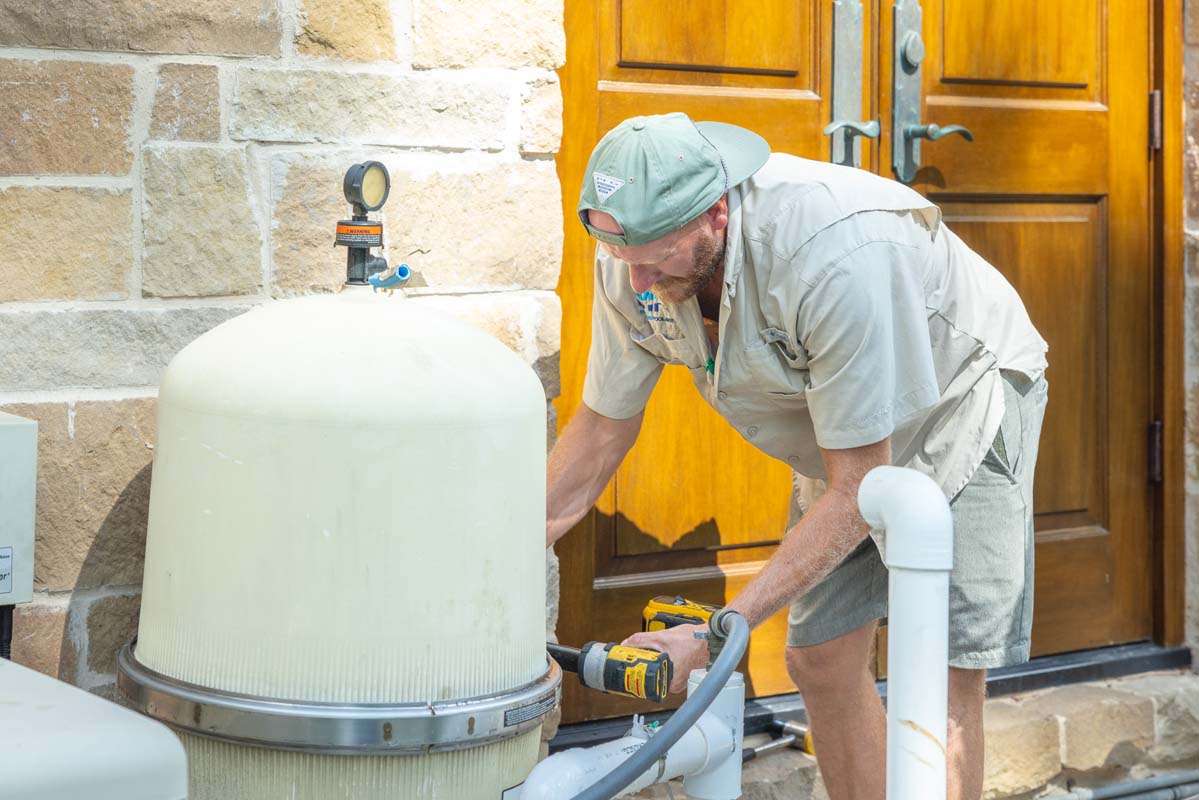
Turn off the pump. Remove the lid and fill the basket with water using a hose. Reseat the lid firmly and restart the system. Watch the basket. If it fills and stays full, the issue may have been air trapped in the line. If bubbles keep forming or the basket drains again, air is entering somewhere before the pump and that usually needs professional inspection.
Pump leaking
A pump leaking at the base or around the housing almost always points to a failed seal or cracked component. Water should never drip from the motor area.
Most common sources:
• Shaft seal failure between the motor and pump housing
• Loose drain plugs or missing gaskets
• Cracked pump lid
• Freeze damage to the pump body
• Aging plastic housing that has become brittle
A small drip can turn into motor failure quickly. If the leak is near the motor, turn the pump off. Replacing a shaft seal is often a simple repair. Replacing a cracked housing usually means replacing the pump.
Noisy pool pump
A noisy pool pump is rarely normal. Sound is one of the best early warning signs that something inside the system is wearing out.
Noise usually comes from:
• Failing motor bearings which cause grinding or whining
• Loose mounting bolts that allow vibration
• Debris in the impeller which causes clicking or rattling
• Air in the system which causes gurgling or surging sounds
What the sound tells you:
High pitched squealing often means bearings are worn. A rattling sound can mean debris inside the pump. A loud humming may mean the motor is struggling to start. Noise that gets worse over time should not be ignored. Motors that fail completely often cost more than repairing them early.
Weak circulation or low flow
Sometimes the pump runs but the pool still looks stagnant. Weak flow can be just as serious as a pump that will not start.
Check for:
• Dirty pump basket
• Clogged filter
• Blocked return jets
• Air bubbles inside pump basket
• Pressure gauge reading outside normal range
Low pressure can point to suction problems. High pressure can mean the filter is clogged or a return line is blocked. Both force the pump to work harder than it should.
How to troubleshoot pool pump problems step by step
If something feels off, start simple.
• Look for water around the pump base
• Listen to how the motor sounds at startup
• Check the pump basket for air or debris
• Watch the return jets in the pool
• Check the filter pressure gauge
These five checks can reveal most problems without tools. If you see air bubbles, leaks, or strange noise, that is not something to wait on.
Electrical warning signs
Some pump problems are not mechanical. They are electrical.
Call for service if you notice:
• The pump will not turn on
• The breaker trips repeatedly
• The motor hums but does not spin
• You smell burning plastic
• The motor shuts off after running briefly
Electrical failures can damage equipment and create safety risks. These should always be handled by a trained technician.
When pool pump repair makes sense and when replacement is smarter
Repairs often make sense when:
• The pump is under five years old
• The housing is intact
• The motor still runs
• The issue is a seal or gasket
Replacement often makes sense when:
• The pump is old and inefficient
• The motor bearings are failing
• The housing is cracked
• The pump is loud and unreliable
• Energy costs are high
Modern variable speed pumps run quieter and use far less electricity. In many cases, upgrading saves money long term compared to repeated repairs.
Why ignoring pump issues costs more later
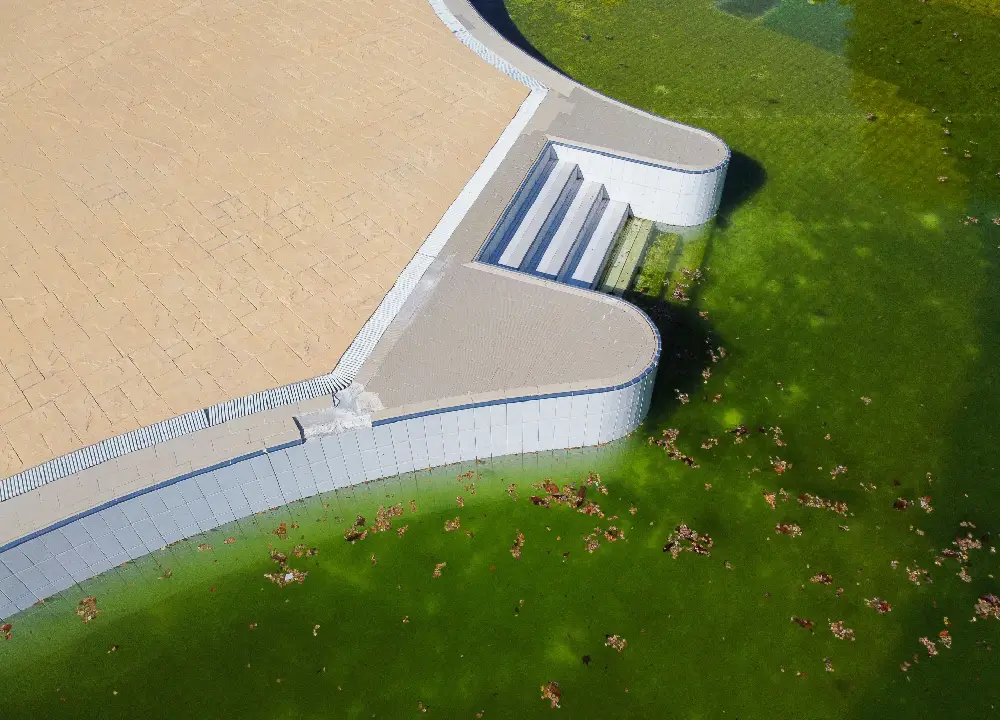
A struggling pump doesn’t just affect circulation. It affects filtration, sanitation, and heater performance. Poor flow leads to cloudy water. Poor filtration leads to algae. A weak pump also strains the motor and shortens its life.
Most pump failures do not happen suddenly. They show warning signs first. Noise. Drips. Air bubbles. Slow flow. These are the moments when repairs are cheaper and easier.
Final word
If you are dealing with a pool pump not priming, a pump leaking, or a noisy pool pump, the sooner you act, the better the outcome. A little investigation now can prevent a full breakdown later.
If you have tried to troubleshoot pool pump problems and things still do not look right, reach out to us here at Manning Pool Service. Our technicians can check out your setup, walk you through what we see, and help you decide whether a repair or replacement is the better move.