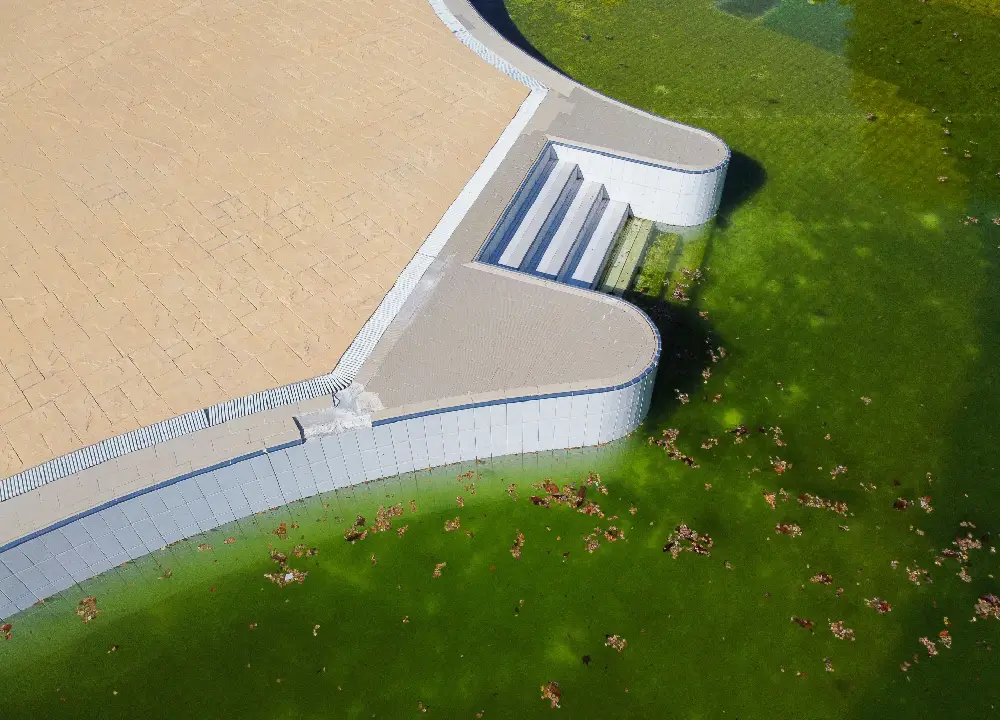

A backyard pool can go from crystal clear to cloudy, dirty, and uninviting after just one major storm. In Houston, heavy rain and tropical weather can bring more than just extra water into your pool. Leaves, dirt, organic debris, and contaminants can quickly throw off your pool’s chemistry and create the perfect conditions for cloudy water or algae growth.
If you are dealing with a pool after rain, the right cleanup steps can help restore water clarity and get your pool ready for swimming again.
Why Does Rain Affect Pool Water?
Rainwater itself is not the only problem. The bigger issue is what comes with it.
Heavy storms can introduce:
- Leaves, grass, and other organic debris
- Dirt and sediment from surrounding areas
- Pollutants and contaminants from runoff
- Extra water that dilutes chlorine and other chemicals
A large amount of rainfall can also shift your pool’s chemical balance, reducing sanitizer levels and making it easier for algae to develop.
For Houston homeowners, this is especially common during hurricane season and periods of severe thunderstorms.
Step 1: Remove Storm Debris From Your Pool
Before adjusting chemicals, start with physical cleanup.
Use a pool skimmer or net to remove:
- Leaves
- Branches
- Bugs
- Dirt
- Other floating debris
Large amounts of organic material can consume chlorine as it breaks down, making it harder to keep your water sanitized. Removing debris first allows your filtration system and chemicals to work more effectively.
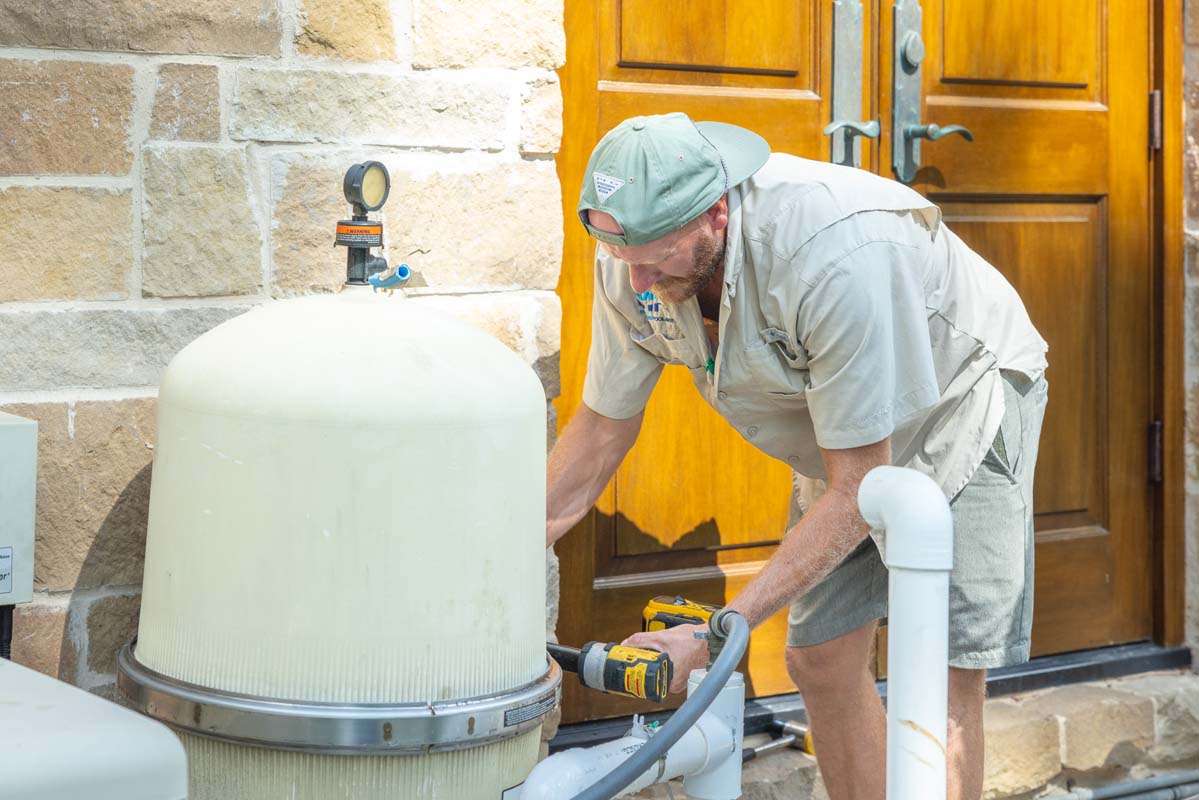
Step 2: Check Your Pool Equipment
After a major storm, inspect your pool system before running everything normally.
Check:
- Pump operation
- Filter pressure
- Skimmer baskets
- Pool cleaner function
- Any visible storm damage
If your filter is clogged with debris, it may struggle to clear cloudy pool water after rain. Cleaning or backwashing your filter (depending on the type of system you have) can help improve circulation.
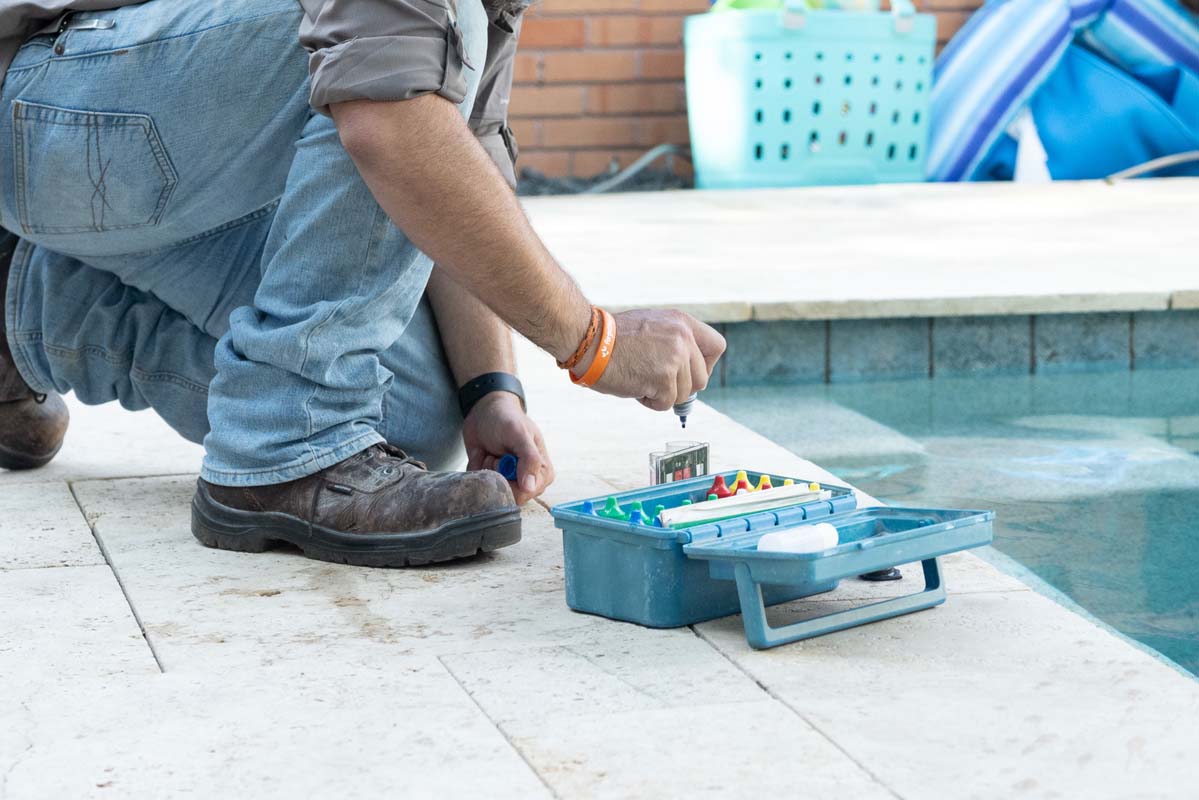
Step 3: Test Your Water Chemistry
One of the biggest mistakes homeowners make after a storm is adding chemicals without testing first.
Rain can change:
- Chlorine levels
- pH
- Alkalinity
- Water balance
Before adding anything, test your water to see what needs to be corrected. A balanced pool is easier to clear and safer for swimming.
Step 4: Do You Need Pool Shock After Rain?
Many homeowners wonder if they need pool shock after rain.
The answer depends on how much rain fell and how much contamination entered the pool. After a heavy storm, shocking may be necessary to restore sanitizer levels and eliminate contaminants, but it should be done as part of a larger recovery process, not as the only step.
A typical storm recovery process includes:
- Remove debris
- Test water chemistry
- Balance chemicals
- Shock if needed
- Run filtration until the water clears
How to Fix Cloudy Pool Water in Houston
Cloudy pool water Houston homeowners often experience after storms usually comes from a combination of:
- Low chlorine levels
- Excess debris
- Poor filtration
- Chemical imbalance
- Algae growth
To clear cloudy water:
- Keep your pump running to circulate and filter the water
- Clean your filter as needed
- Brush pool walls and surfaces
- Balance chemistry
- Use clarifiers or additional treatments if recommended
Cloudy water does not always mean the pool needs more chemicals. Sometimes the issue is that the filter cannot remove the particles quickly enough.
Should You Drain Your Pool After a Storm?
Most homeowners do not need to drain their pool after heavy rain.
In fact, draining an in-ground pool can create additional risks depending on soil conditions and groundwater levels. Instead, many pools simply need excess water removed, debris cleaned out, and the chemistry restored.
If your pool has overflowed with significant yard runoff, has unusual discoloration, or remains cloudy after treatment, professional evaluation may be the safest option.
How Long Does It Take to Recover a Pool After Heavy Rain?
The recovery time depends on how severe the storm was and the condition of the pool before the rain.
A lightly affected pool may recover within a day or two. A pool with heavy debris, algae growth, or major chemical imbalance may take longer.
The faster you remove debris and restore proper circulation, the easier it is to prevent bigger problems.
Keep Your Houston Pool Ready for Any Weather
Storms are a normal part of life in the Houston area, but they do not have to ruin your swimming season. With proper cleanup, water testing, and routine maintenance, your pool can bounce back after even heavy rainfall.
A storm may leave your pool looking like a mess, but with the right recovery steps, clear water is usually just around the corner.
From Storm Clouds to Crystal Clear
A cloudy pool after a storm is frustrating, but it is also a common problem with a straightforward solution. The key is acting quickly before debris, low sanitizer levels, and imbalanced water turn into a bigger pool maintenance issue.