
Few things are more frustrating for pool owners than looking outside and seeing their crystal-clear water slowly turning green, yellow, or worse—developing dark, stubborn spots. Pool algae is one of the most common (and annoying) issues in residential swimming pools, but the good news is that each type can be identified and treated effectively when you know what you’re dealing with.
In this guide, we’ll break down the three most common types of pool algae—green, mustard, and black—how to identify them, and the best methods for removal and prevention.
Understanding Pool Algae
Algae are plant-like organisms that thrive in warm, stagnant water with low sanitizer levels. They can enter your pool through rain, wind, swimsuits, or even pool toys. Once established, they spread quickly, turning your pool into an unsightly and potentially unsafe swimming environment.
Common causes of algae growth include:
- Low chlorine levels
- Poor water circulation
- Inadequate filtration
- Warm temperatures and direct sunlight
- Infrequent brushing or cleaning
Knowing which type of algae you’re facing is the first step toward solving the problem.
Green Algae: The Most Common Culprit
Green algae is the most frequently encountered form of pool algae. It typically appears as cloudy green water or slimy green patches on pool surfaces.
How to Identify Green Algae
- Water turns green or hazy
- Slippery green coating on walls and steps
- Rapid spread if untreated
How to Clear a Green Pool
If you’re searching for how to clear green pool water, the solution usually involves a combination of shock treatment, brushing, and filtration.
Basic treatment steps:
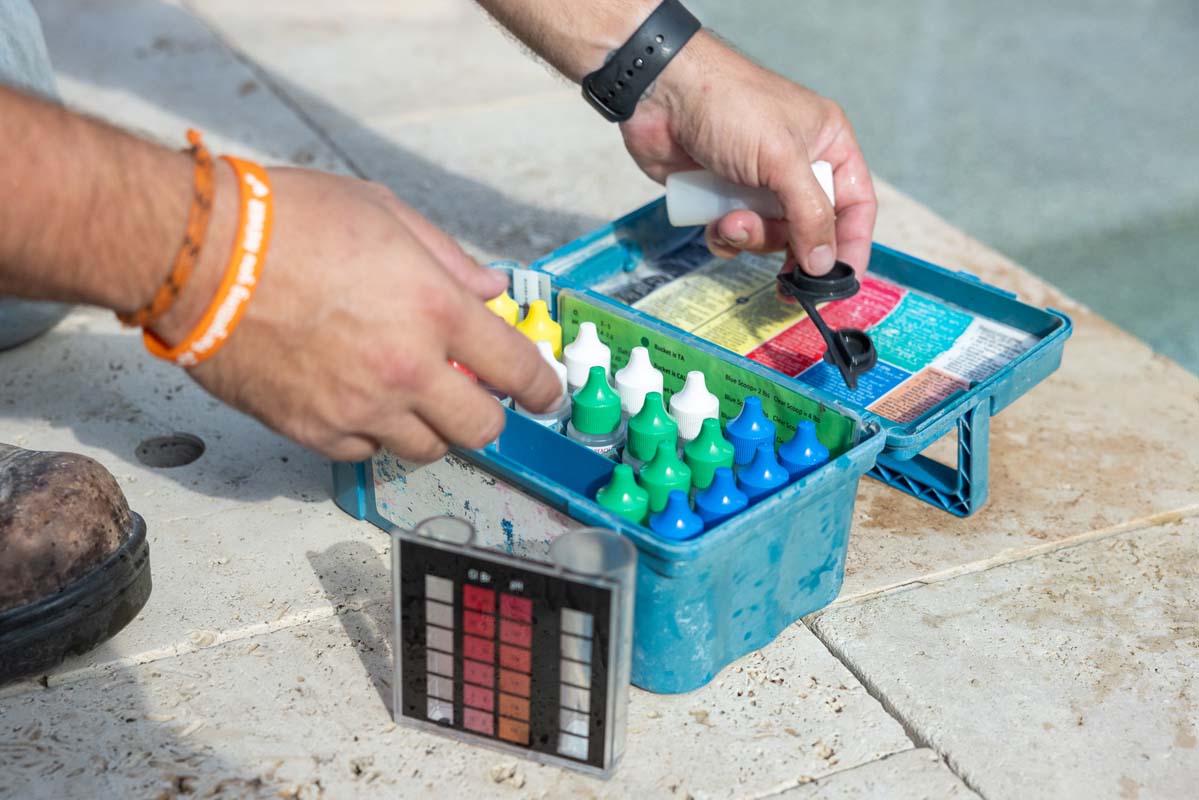
- Test and balance your water chemistry
- Shock the pool with a high dose of chlorine
- Brush all surfaces thoroughly
- Run the filter continuously until the water clears
- Vacuum dead algae from the pool floor
With prompt action, green algae is usually the easiest type to eliminate.
Mustard Algae: The Sneaky Imposter
Mustard algae (also called yellow algae) can be tricky because it often looks like dirt or pollen on the pool floor and walls. It’s chlorine-resistant and tends to cling to shady areas of the pool.
How to Identify Mustard Algae
- Yellow or brown powdery residue
- Often found on walls, steps, and behind ladders
- Returns quickly after normal cleaning
Treating Mustard Algae
Mustard algae requires a more aggressive approach than green algae.
Effective treatment includes:
- Shocking the pool at a higher chlorine level
- Brushing all affected areas thoroughly
- Cleaning pool toys, floats, and brushes (mustard algae can live on them)
- Using an algaecide specifically designed for mustard algae
Because it’s resistant to normal chlorine levels, consistent follow-up is key to preventing recurrence.
Black Algae: The Toughest to Beat
Black algae is the most stubborn and difficult form of pool algae. It roots itself into porous surfaces like plaster and grout, forming hard, dark spots that are resistant to normal treatments.
How to Identify Black Algae
- Small black or dark blue spots on walls or floor
- Raised or textured appearance
- Slimy surface with a hard protective layer
Black Algae Treatment
Proper black algae treatment requires persistence and physical effort.
Typical steps include:
- Scrubbing spots with a stiff or stainless steel brush
- Applying chlorine directly to the affected areas
- Using specialized algaecides for black algae
- Repeating treatment until the roots are fully destroyed
Black algae doesn’t go away overnight, and incomplete treatment often leads to regrowth.
Preventing Algae from Coming Back
Once your pool is clear, prevention becomes the priority. The best defense against pool algae is consistent maintenance and balanced water chemistry.
Key prevention tips:
- Maintain proper chlorine levels at all times
- Brush walls and steps weekly
- Keep filters clean and running efficiently
- Remove debris promptly
- Ensure good water circulation in all areas of the pool
Routine maintenance dramatically reduces the chances of algae returning.
When DIY Isn’t Enough
While many homeowners can manage mild algae outbreaks, recurring or severe cases often point to underlying issues with circulation, filtration, or chemical balance. If algae keeps coming back no matter what you do, professional service can save time, frustration, and long-term damage to your pool surfaces.
Don’t Let Algae Get the Best of You
Or better yet, don’t let algae “grow” on you. Whether you’re dealing with green water, stubborn mustard algae, or tackling a full-scale black algae treatment, staying ahead of the problem is the key to keeping your pool clean, safe, and swim-ready.
If algae battles are taking the fun out of pool ownership, the team at Manning Pool Service is ready to help. With expert technicians and comprehensive maintenance services, they handle everything from routine cleaning to advanced algae treatment—so you can spend less time scrubbing and more time enjoying your pool. Visit https://www.manningpoolservice.com/ to learn more about their pool maintenance and service solutions.