
Did you know that the average annual cost to maintain a residential swimming pool in the U.S. ranges from $3,000 to $6,000? That’s a hefty amount — and it underscores just how important proper pool maintenance is. Unfortunately, many homeowners inadvertently make mistakes that quickly turn manageable upkeep into major expenses.
In this article, we’ll walk you through 7 common pool maintenance mistakes that can cost you big — and how to avoid them. The aim is to give you clear, actionable advice so you can enjoy your pool with fewer headaches and surprises.
Mistake 1: Neglecting Regular Chemical Balance
One of the foundational parts of pool care is keeping your water chemistry in check: proper pH, alkalinity, sanitiser levels (chlorine, bromine, or salt chlorine), and calcium hardness. The site from Manning Pool Service emphasizes chemical balancing for safe water quality.
When you skip this or delay it, you risk:
- algae growth or cloudy water
- skin and eye irritation for swimmers
- damage to pool surfaces or equipment (e.g., corrosion, scaling)
- frequent “emergency” repairs
Tips to avoid this mistake:
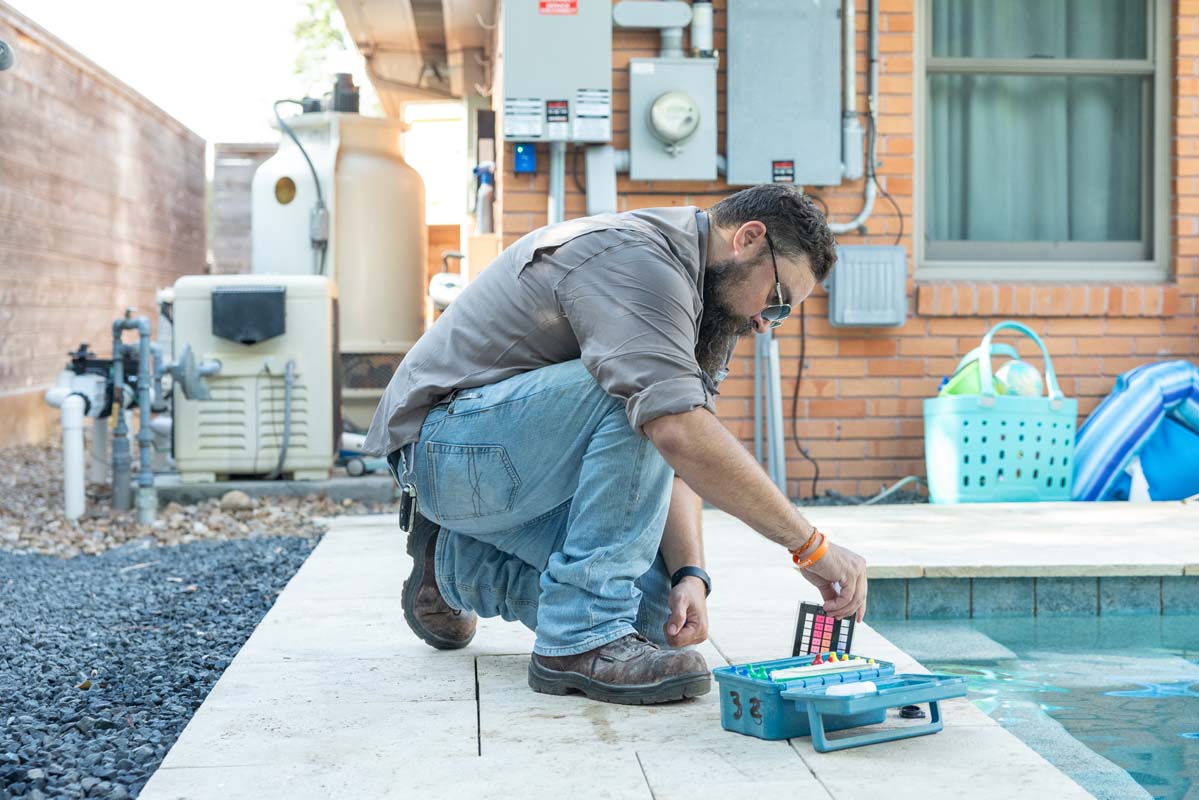
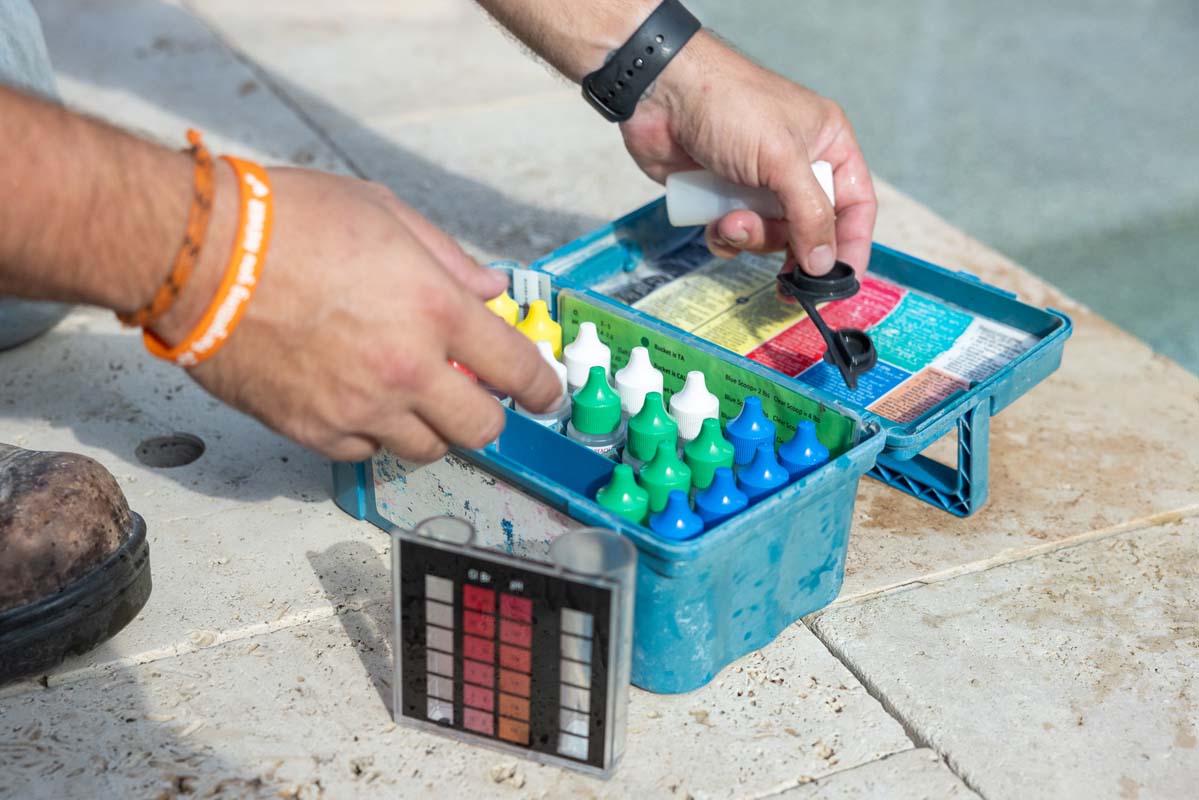
- Test water at least weekly (more if heavy use or extreme weather).
- Use a reliable test kit, and log your readings.
- Adjust pH to the ideal range (typically 7.2–7.6) before other adjustments.
- Keep alkalinity and hardness in proper ranges — not just sanitiser.
- Don’t assume “clear = safe” — clarity doesn’t always mean proper chemistry.
Mistake 2: Skipping Filter and Pump Maintenance
Your pool’s filtration system (pump, filter type, skimmer baskets, etc.) does the heavy lifting behind the scenes.
When filter maintenance is neglected:
- The pump works harder → higher energy bills + increased wear.
- Debris and contaminants stay in the water longer → more strain on the system.
- Potential for damage to the pump/motor or requiring full replacement earlier.
What you should do:
- Clean or backwash your filter regularly, per the manufacturer’s recommendation.
- Check skimmer baskets and pump baskets weekly — empty leaves and debris.
- Inspect the pump and filter area for leaks, unusual noises or vibrations.
- Ensure circulation hours are adequate for your pool size and usage.
Mistake 3: Ignoring The Pool Surface & Walls
Even if your water chemistry is good and your filtration system is running fine, the pool surface (walls, tile, coping) still needs attention.
Ignoring surface maintenance can lead to:
- Algae settlement and harder cleanup later.
- Staining, scaling or mineral deposits on tiles and coping.
- Structural or cosmetic deterioration (especially in concrete or gunite pools).
- Reduced resurfacing lifespan — meaning more costly repairs sooner.
Best practices:
- Brush walls and steps weekly (or more with heavy use).
- Pay attention to tile lines or waterline rings — treat early.
- Use the correct brush for your surface type (vinyl, fiberglass, concrete all differ).
- Monitor for cracks, chips or tile loss — address early before it becomes major.
Mistake 4: Underestimating Debris & Environmental Loads
A pool sitting under trees, with heavy wind or in a high-leaf environment, faces extra work: more debris, more filtering, more cleaning. The weekly “skimming” and “vacuuming” steps mentioned in the reference article cover this.
If you underestimate the environmental load you may face:
- The filter and pump may be overwhelmed more often.
- Leaves, twigs, and organic matter accelerate algae growth and chemical consumption.
- You may reduce water clarity or risk pests/mosquito breeding.
What to do:
- Skim the surface daily if leaves or debris are heavy.
- Use a pool cover when possible to reduce debris and evaporation.
- Vacuum the pool floor on a regular schedule.
- Consider investing in automatic cleaners or brushes if your debris load is large.
Mistake 5: Waiting Too Long to Address Minor Equipment Issues
Small issues with pool equipment (pump, heater, salt cell, chlorinator, timer) often escalate into big costs. From the statistics, average pool maintenance cost can hover in the thousands annually.
Why this matters:
- A small leak or a motor running hot can lead to full pump replacement.
- Delayed maintenance often means emergency visits, which are costlier.
- Parts may become harder to source or more expensive over time.
- Pool downtime reduces the value you’re getting from your investment.
Prevent this mistake:
- Inspect equipment regularly: listen for strange sounds, look for leaks, check wiring and connections.
- Replace worn parts before they fail (e.g., seals, O-rings, bearings).
- Keep records of equipment age, service dates, and hours of usage.
- Consider a yearly professional equipment inspection to stay ahead of issues.
Mistake 6: Over-looking Seasonal or Deep-Cleaning Needs
Even with regular weekly or bi-weekly visits, pools require deeper, seasonal maintenance. Tasks like “drain and clean”, deeper filter cleaning or preparing for off-season may be required.
If you skip seasonal or deep cleaning:
- Minor issues accumulate (scale, stains, hidden algae).
- Equipment efficiency declines.
- You may end up needing a major refurb earlier (resurface, re-plaster, major equipment swap).
- Water quality may degrade before you spot the issue.
What to plan for:
- At least once or twice a year perform a deep clean: brush, vacuum thoroughly, inspect surfaces and equipment.
- For regions with off-seasons, “close” or winterise the pool properly, then “open” it in spring with a full check.
- If you use a salt system or advanced features, ensure all parts are inspected seasonally.
- Budget for this in your yearly maintenance plan — don’t treat it as optional.
Mistake 7: Ignoring Cost & Budget Planning for Pool Maintenance
Finally — keeping a pool is not just about the physical work. The financial planning side matters. Many homeowners don’t budget properly for ongoing pool maintenance, which leads to stress, deferred upkeep and ultimately larger costs.
From industry data we see:
- Basic ownership can cost $1,000+ per year in utilities and chemicals alone.
- Larger pools, heavy features, or premium systems drive this even higher (e.g., $3,000-$6,000+ annual).
How to manage your budget:
- Identify all costs: chemicals, utilities (pump, heater), cleaning labour or DIY time, replacement parts, surface care, seasonal tasks.
- Set aside a “maintenance fund” (for example 10-15% of your pool’s value annually) for major repairs or replacements.
- Schedule routine tasks and mark calendar reminders — proactive maintenance costs much less than emergency fixes.
- Consider equipment upgrades that reduce long-term operating costs (e.g., variable speed pumps, energy efficient heaters, pool cover to reduce debris).
- Track your actual costs year-to-year so you understand your pool’s cost profile and adjust your budget.
Final Thoughts
Owning a pool can be a wonderful luxury and enjoyment—but only if the maintenance is managed properly. By avoiding the common mistakes above, you’ll protect your investment, keep your pool safe and inviting, and reduce the chance of surprise major expenses.
- Regular chemical and filtration care
- Prompt equipment inspection and maintenance
- Deep seasonal cleaning & budgeting for long-term upkeep
With this holistic approach to pool maintenance, you’ll maximise enjoyment while keeping costs under control.