
A swimming pool should be a place to relax, cool off and enjoy time outdoors. However, when water turns green, algae covers the walls or persistent water chemistry problems refuse to go away, maintaining a clean pool can become a frustrating challenge. Sometimes, routine cleaning and chemical treatments are not enough to restore a pool to good condition.
For Houston homeowners, the local climate can make pool maintenance especially demanding. Warm temperatures, humidity, heavy rainfall and organic debris can contribute to algae growth and changing water chemistry. When these problems become severe, a professional pool drain and clean may be the most effective way to restore the pool’s appearance and prepare it for ongoing maintenance.
But how do you know when your pool needs more than another round of cleaning?
Recognizing the warning signs can help you determine when to contact a pool professional. Here are the most common signs your pool may need a drain and clean, along with what to know about the process and when to seek professional help.
1. Your Pool Water Has Turned Green or Darkly Discolored
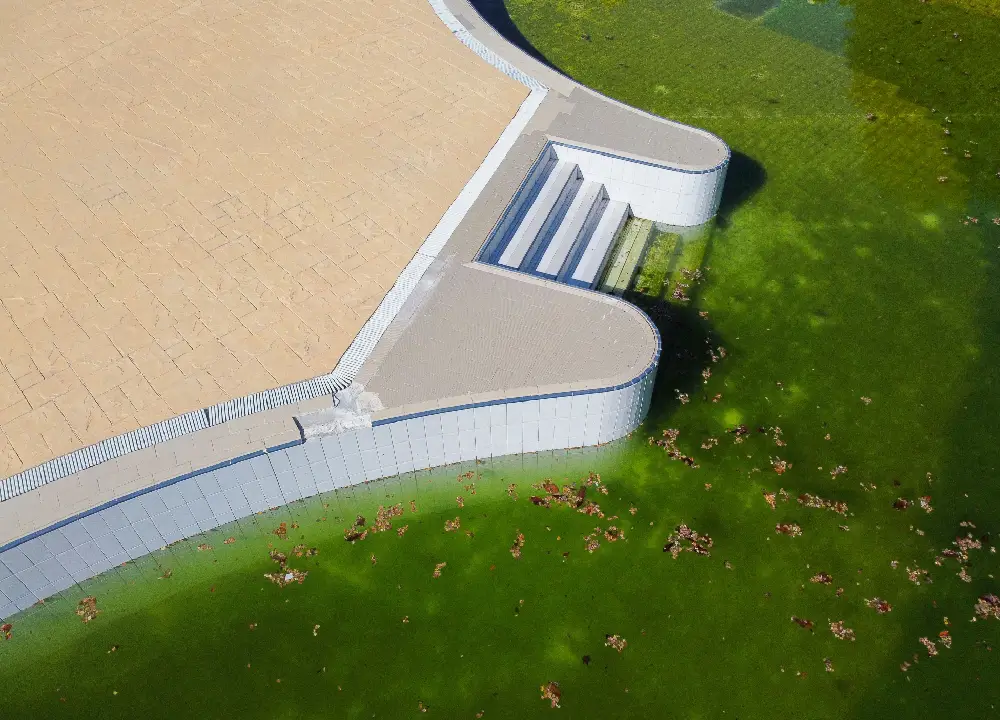
One of the most noticeable signs that a pool may need a drain and clean is persistent water discoloration. Clear pool water can become cloudy green, dark green or even swamp-like when algae and other contaminants accumulate.
Algae can grow rapidly when sanitizer levels are inadequate, circulation is poor or environmental conditions favor its development. Once a severe algae problem takes hold, it may spread across the pool floor, walls, steps and other surfaces.
When Ordinary Algae Treatment Is Not Enough
Some algae problems respond to proper chemical treatment, brushing and filtration. However, severe or persistent growth can leave stains on plaster surfaces even after the algae itself has been eliminated.
Signs of a more serious problem include:
- Green or murky water that does not improve with appropriate treatment.
- Thick algae buildup on the walls, floor or steps.
- Dark stains that remain after the water begins to clear.
- Organic debris accumulating in large quantities.
- A pool that resembles a pond or swamp rather than a swimming area.
A professional assessment can help determine whether the issue can be resolved through chemical balancing and cleaning or whether a drain and clean is warranted.
Manning Pool Service provides pool drain and clean services in the Greater Houston area for pools with severe algae growth, discoloration and other persistent cleaning problems.
2. Your Pool Has a Strong Chlorine Smell
A strong chemical odor around a swimming pool may seem like a sign that the water contains too much chlorine. In reality, the smell can be associated with chloramines, compounds that form when chlorine reacts with contaminants such as sweat and other organic material.
Properly maintained pool water should not have an overpowering chemical smell. When an unusual odor persists, it may indicate that the water chemistry needs attention.
Why Water Chemistry Matters
Chlorine is essential for controlling many harmful microorganisms in swimming pools, but its effectiveness depends on several factors, including pH and the overall condition of the water.
A strong odor alone does not mean your pool needs to be drained. Testing the water and evaluating sanitizer levels, pH and other relevant measurements should come first.
If the odor occurs alongside cloudy water, visible algae, recurring chemistry problems or heavy contamination, a more comprehensive cleaning may be appropriate.
Avoid adding large amounts of chemicals without testing the water first. If the odor is strong or the water appears abnormal, keep swimmers out until the water has been evaluated and confirmed safe for use.
3. Your Pool Water Remains Cloudy Despite Regular Maintenance
Cloudy pool water is another warning sign that something may be wrong with your pool’s maintenance or filtration system. Water can become hazy when fine particles, algae, organic debris or other contaminants remain suspended in the water.
Occasional cloudiness may be resolved by correcting the water chemistry, cleaning the filter or improving circulation. However, when the problem continues despite appropriate treatment, it may indicate a more significant issue.
Persistent Cloudiness Can Point to Deeper Problems
If your pool never seems to return to its usual clarity, consider whether you have noticed any of these issues:
- Water that remains cloudy after repeated cleaning.
- Sediment collecting on the pool floor shortly after vacuuming.
- Filter problems or inadequate water circulation.
- Recurring algae growth even after chemical treatment.
- Water chemistry that repeatedly falls outside recommended ranges.
A drain and clean may be appropriate when persistent cloudiness accompanies severe contamination or staining that ordinary maintenance cannot resolve. However, cloudy water alone does not necessarily justify draining the pool.
A professional can evaluate the filtration system, test the water and determine whether the issue requires a filter cleaning, chemical adjustment, equipment repair or more extensive pool cleaning.
Manning Pool Service offers pool cleaning and maintenance services to help Houston-area homeowners address water quality problems and keep their pools in good condition.
4. Algae Stains and Buildup Have Taken Over Your Pool Surfaces
Even after algae has been treated, stains can remain on pool plaster. These discolorations may appear green, brown, gray or black, depending on their cause and the materials involved.
Over time, persistent algae growth and accumulated contaminants can make the pool look neglected, even when the water itself appears clearer.
When Pool Stains Require More Than Brushing
Routine brushing helps prevent algae from attaching to pool surfaces, but established stains may be more difficult to remove. If the plaster has extensive discoloration or stubborn algae staining, a professional drain and clean may be worth considering.
Manning Pool Service’s drain and clean process includes draining the pool, acid washing the plaster when appropriate, removing algae stains, cleaning the filter, rebalancing the water chemistry and refilling the pool.
Acid washing is an intensive treatment that removes a thin layer of plaster, so it should not be considered a routine cleaning method. It is appropriate only for certain surfaces and conditions, and repeated treatments can shorten the life of the plaster finish.
Not every stain is caused by algae. Metal deposits, mineral scaling and other surface issues may require different treatments. Having the cause identified before selecting a cleaning method helps prevent unnecessary damage.
If your pool has widespread staining that resists normal maintenance, a professional evaluation can help determine whether acid washing is suitable or whether another treatment would be more effective.
5. You’re Seeing Bugs, Mosquito Larvae or Other Signs of Standing Water
An established swimming pool should not become a habitat for insects and other unwanted organisms. If you begin noticing mosquito larvae, water beetles or other living things in the pool, the water and surrounding conditions may need attention.
Insects can enter pools naturally, but persistent infestations may indicate poor circulation, inadequate sanitation or water that has remained stagnant for an extended period.
What an Unwanted Pool Ecosystem Can Tell You
If the pool has been neglected or its equipment has stopped working, debris and algae can accumulate and create conditions that attract insects.
Watch for signs such as:
- Mosquito larvae moving near the water’s surface.
- Large numbers of water beetles or other insects.
- Leaves and organic debris collecting in the water.
- Thick algae growth and foul-smelling water.
- A pool pump or filtration system that has not been operating properly.
These conditions do not automatically mean that a complete drain and clean is necessary. Restoring circulation, correcting water chemistry and removing debris may be sufficient in less severe cases.
However, if the pool has become heavily contaminated or resembles a swamp, a professional drain and clean may offer a more comprehensive solution.
If you cannot clearly see the pool floor, avoid swimming until the water has been restored to an appropriate condition. Poor visibility can conceal hazards, and an apparently clean surface does not guarantee safe water.
6. Your Pool Chemistry Is Consistently Difficult to Balance
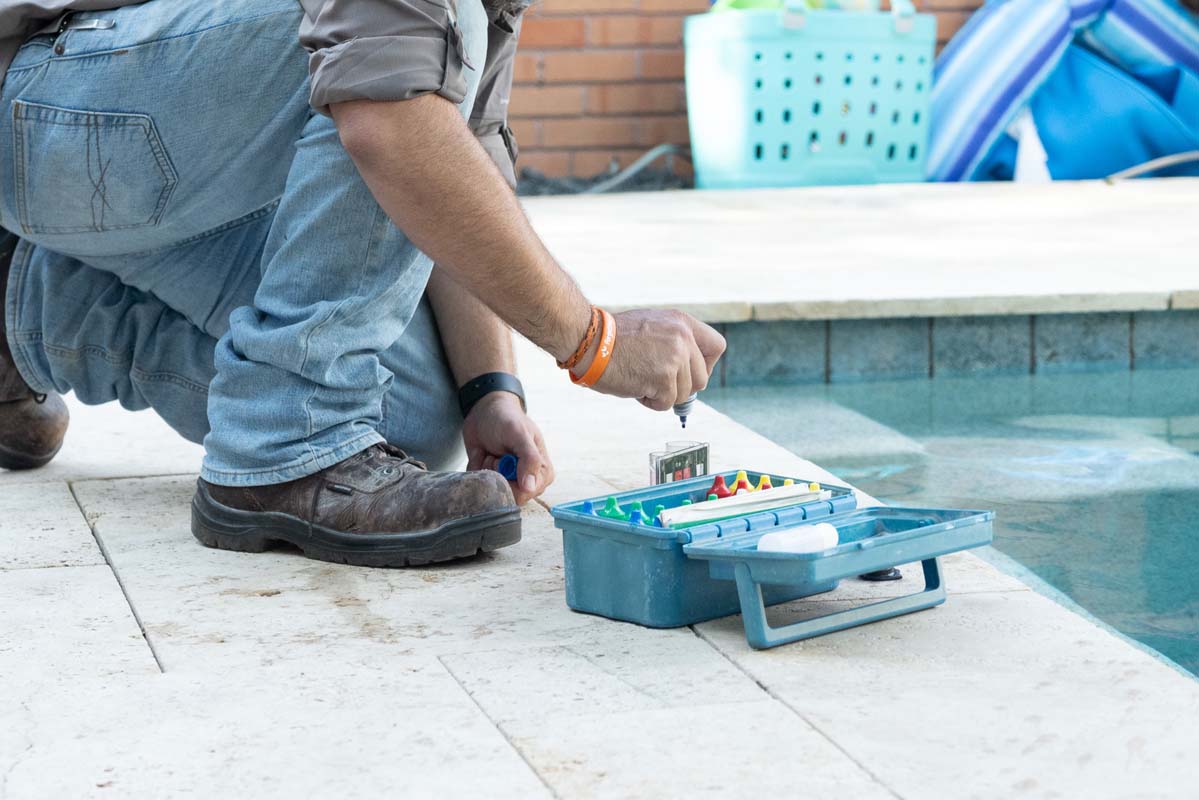
Pool chemistry naturally changes with weather, rainfall, swimmer activity and the addition of fresh water. Routine testing and chemical adjustments are therefore essential parts of maintaining a healthy swimming environment.
Occasional imbalances are normal. Persistent problems, however, may indicate that the pool needs a more thorough assessment.
Repeated Chemical Adjustments Are Not Solving the Problem
If you continually add chemicals but struggle to maintain appropriate water conditions, it may be time to investigate the underlying cause.
Potential contributors include:
- Excessive organic contamination.
- Heavy algae growth.
- Poor circulation or inadequate filtration.
- Incorrect pH or total alkalinity.
- High levels of dissolved substances that affect water balance.
- Testing errors or problems with chemical dosing.
A drain and clean can help address severe contamination and certain water quality problems, but draining is not a universal solution for imbalanced chemistry. Some issues can be corrected through targeted treatment, improved filtration or partial water replacement.
Manning Pool Service uses the Langelier Saturation Index (LSI) as part of its approach to pool water management. This index helps evaluate whether water conditions may promote calcium carbonate scaling or corrosion, which can affect pool surfaces and equipment.
If your pool chemistry repeatedly becomes difficult to manage, professional testing can help identify the cause and determine the most appropriate corrective action.
7. Your Pool Has Developed a Swamp-Like Appearance
When a swimming pool has been neglected for an extended period, multiple problems can develop at once. The water may turn dark green, algae may cover the surfaces, debris may accumulate on the bottom and the surrounding area may develop an unpleasant odor.
This combination of symptoms often indicates that ordinary weekly maintenance will not be enough to restore the pool to its previous condition.
When a Complete Pool Cleanup Is Necessary
A severely neglected pool may require several corrective steps, including:
- Removing accumulated debris and organic material.
- Draining the pool when appropriate.
- Treating stubborn algae stains on suitable surfaces.
- Cleaning the filtration system.
- Refilling the pool and restoring proper water chemistry.
A professional drain and clean addresses several of these issues as part of a coordinated process. Rather than repeatedly treating individual symptoms, the service provides an opportunity to address severe contamination and surface staining before returning the pool to regular maintenance.
Manning Pool Service specializes in drain and clean services for severely neglected pools throughout Greater Houston. If your pool has become swampy or heavily contaminated, its technicians can assess the condition and recommend an appropriate course of action.
What Happens During a Professional Pool Drain and Clean?
Understanding the process can help you decide whether this service is appropriate for your pool.
Unlike routine pool cleaning, a drain and clean is an intensive procedure intended for pools with severe algae growth, stubborn staining or significant deterioration in water quality.
The Drain and Clean Process
Although the exact work depends on the pool’s condition, Manning Pool Service’s drain and clean service includes several key steps:
- Drain the pool. The water is removed using an appropriate procedure for the pool and site conditions.
- Clean the plaster. The exposed surface is treated to address stubborn algae stains and buildup. Acid washing is performed when appropriate.
- Clean the filter. The filtration system is cleaned to help restore proper operation.
- Refill the pool. Fresh water is added to bring the pool back to its operating level.
- Rebalance the water chemistry. The water is tested and adjusted to help establish appropriate swimming conditions.
Draining a pool requires professional judgment. Groundwater pressure can cause an empty in-ground pool to lift or sustain structural damage, particularly in areas with elevated groundwater levels or after heavy rainfall. The pool’s construction, surface condition and local conditions must be considered before draining.
For this reason, homeowners should not attempt to drain an in-ground pool without professional guidance. A qualified pool professional can determine whether draining is appropriate and how to carry out the work safely.
For more information about the service, visit Manning Pool Service’s dedicated drain and clean service page.
Can Regular Pool Maintenance Prevent the Need for a Drain and Clean?
Consistent pool maintenance can help prevent many problems that eventually require intensive cleaning. Regularly testing water chemistry, brushing surfaces, removing debris and maintaining proper filtration can reduce algae growth and help keep contaminants under control.
Houston’s warm climate makes consistent maintenance especially important because elevated temperatures can encourage algae growth when sanitizer levels or circulation are inadequate.
A regular maintenance routine should include:
- Testing and adjusting pool water chemistry.
- Skimming leaves and other debris from the surface.
- Brushing pool walls, steps and other surfaces.
- Vacuuming sediment from the pool floor.
- Inspecting pumps and other equipment.
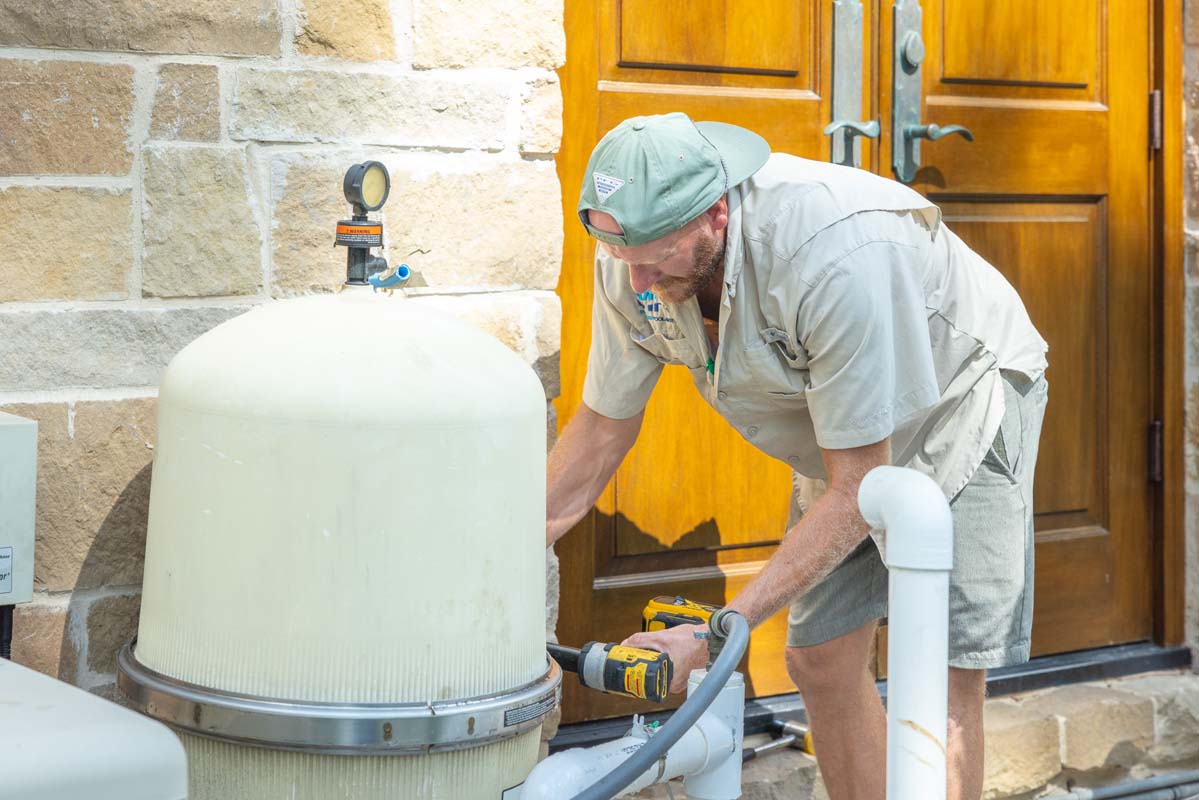
- Cleaning filters according to the manufacturer’s recommendations and the pool’s needs.
Professional maintenance can also help identify developing issues before they become severe. If your pool frequently develops algae, cloudy water or chemical imbalances, a technician can investigate the underlying cause instead of repeatedly treating the visible symptoms.
Manning Pool Service provides weekly pool maintenance in Houston to help homeowners maintain water quality, monitor equipment and keep their pools ready for use.
Restore Your Pool With Manning Pool Service
Recognizing the signs your pool needs a drain and clean can help you address serious maintenance problems before they become even more difficult to manage. Persistent green water, stubborn algae stains, recurring chemical imbalances and swamp-like conditions can all indicate that your pool needs more than routine cleaning.
However, not every cloudy pool or algae outbreak requires draining. The best approach depends on the cause of the problem, the condition of the pool surfaces and the effectiveness of less intensive treatments.
Manning Pool Service helps homeowners throughout Greater Houston restore neglected pools and maintain clean, inviting swimming environments. Its technicians can assess your pool’s condition and determine whether a drain and clean or another service is the right solution.
If your pool has persistent discoloration, severe algae growth or water quality problems that routine maintenance has not resolved, visit the Manning Pool Service drain and clean page to learn more. You can also contact Manning Pool Service to discuss your pool’s condition and schedule professional service.