
If you are considering a new swimming pool, renovating an existing pool, or simply wondering whether your current sanitation system is still the right choice, one question comes up frequently: saltwater pool vs. chlorine pool, which is better?
For Houston homeowners, the answer depends on several factors. Both systems can provide clean, properly sanitized swimming water when they are maintained correctly. The biggest differences involve how chlorine is introduced into the water, ongoing maintenance, upfront costs, equipment, water chemistry, and how each system performs in Houston’s hot climate.
Saltwater pools have become increasingly popular because they can provide a more automated approach to chlorine generation and may reduce the need for manually adding chlorine. However, a saltwater pool is not a chlorine-free pool. A salt system uses electrolysis to generate chlorine from dissolved salt, meaning regular water testing and maintenance are still necessary.
Traditional chlorine pools, meanwhile, remain a straightforward and familiar option. They can be less expensive to install initially and give homeowners direct control over sanitizer levels.
So, is a saltwater pool better than a chlorine pool for a Houston home? The best choice depends on what you value most and how your pool is used.
How Does a Saltwater Pool Work?
A saltwater pool uses a salt chlorine generator, often called a salt cell, to produce chlorine. Rather than manually adding chlorine to the pool on a regular basis, the system converts dissolved salt into chlorine through an electrochemical process.
Despite the name, saltwater pools are not comparable to seawater. The salt concentration in a swimming pool is much lower than the salt concentration found in the ocean.
The important point is that a saltwater pool is still a chlorinated pool. The difference is primarily how the chlorine gets into the water.
The salt system continuously produces chlorine based on the settings of the system and the pool’s needs. This can make maintaining consistent sanitizer levels more convenient for many homeowners.
Manning Pool Service offers saltwater pool conversion services for Houston-area homeowners who want to convert an existing chlorine pool to a saltwater system.
Benefits of a saltwater pool
Saltwater systems can offer several advantages:
- More automated chlorine production
- Less frequent manual addition of chlorine
- Consistent chlorine generation when properly adjusted
- Water that many swimmers find more comfortable
- Reduced need to store and handle chlorine products
- Potentially lower ongoing chemical costs
- Convenient integration with modern pool equipment and automation
These benefits can be particularly appealing to homeowners who want to spend less time manually managing their pool.
How Does a Traditional Chlorine Pool Work?
A traditional chlorine pool relies on manually added chlorine products or an automated chlorine feeder to maintain the appropriate sanitizer level.
Chlorine may be introduced using tablets, liquid chlorine, granular chlorine or other sanitation products. The specific approach depends on the pool, equipment and maintenance routine.
Traditional chlorine systems have been used for decades, and the process is familiar to most pool owners and service professionals. When the water chemistry is properly maintained, a chlorine pool can provide clean and safe swimming water.
One advantage of a conventional chlorine system is its simplicity. There is no salt cell to install or replace, and homeowners have direct control over the amount of chlorine they add.
For some Houston homeowners, that straightforward approach may make a traditional chlorine system the better fit.
Saltwater Pool vs. Chlorine Pool: The Major Differences
When comparing a saltwater pool and a traditional chlorine pool, it helps to look at the differences one category at a time.
Initial cost
A traditional chlorine pool generally has a lower upfront cost because it does not require a salt chlorine generator and salt cell.
A saltwater conversion requires additional equipment and installation. If you are building or remodeling a pool, however, the additional cost can be incorporated into the overall project.
The initial investment is only part of the equation. Saltwater systems can reduce the amount of manual chlorine handling and may reduce some recurring chemical expenses, so homeowners should consider both installation costs and long-term maintenance.
Ongoing maintenance
Neither type of pool is maintenance-free.
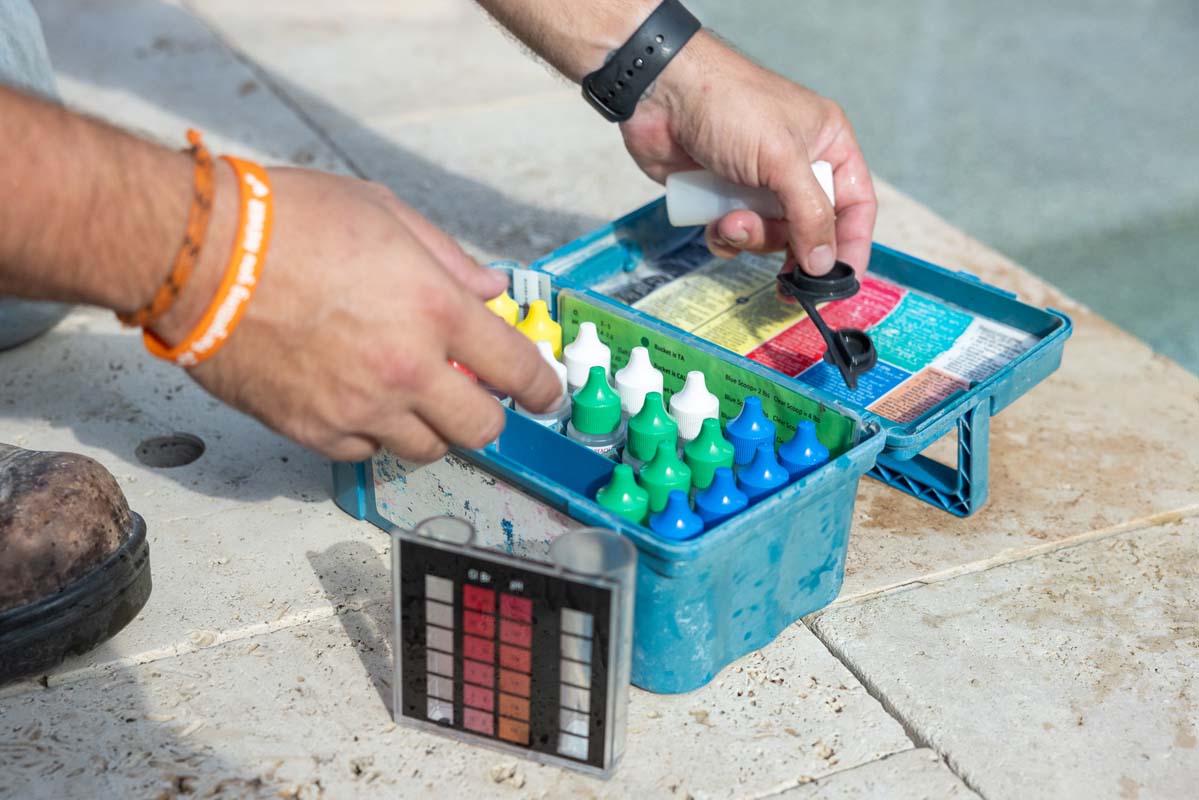
Saltwater pools still require regular water testing, cleaning, equipment inspections and chemical adjustments. The salt cell itself also needs to be inspected and eventually replaced.
Traditional chlorine pools require more direct management of chlorine levels, which can mean purchasing and adding chlorine products more frequently.
Manning Pool Service provides maintenance for both traditional chlorine and saltwater pools in Houston. Its pool cleaning services include water chemistry management, equipment checks and other routine maintenance tasks.
Water feel
Many homeowners choose saltwater because they prefer how the water feels. Saltwater pools can produce water that some swimmers perceive as softer or gentler on the skin and eyes.
The difference should not be overstated, however. A properly balanced traditional chlorine pool should also be comfortable to swim in.
The way a pool feels depends on much more than whether it uses salt. pH, alkalinity, sanitizer levels and other aspects of water chemistry all affect the swimming experience.
Chlorine levels
A traditional chlorine pool requires the homeowner or service provider to add chlorine as needed.
A saltwater system generates chlorine automatically through the salt cell. This does not eliminate chlorine from the equation. Instead, it changes the way chlorine is supplied.
The ability to generate chlorine continuously can help maintain more consistent sanitizer levels when the system is properly sized, configured and maintained.
Equipment
Saltwater pools have additional equipment that traditional chlorine pools do not require.
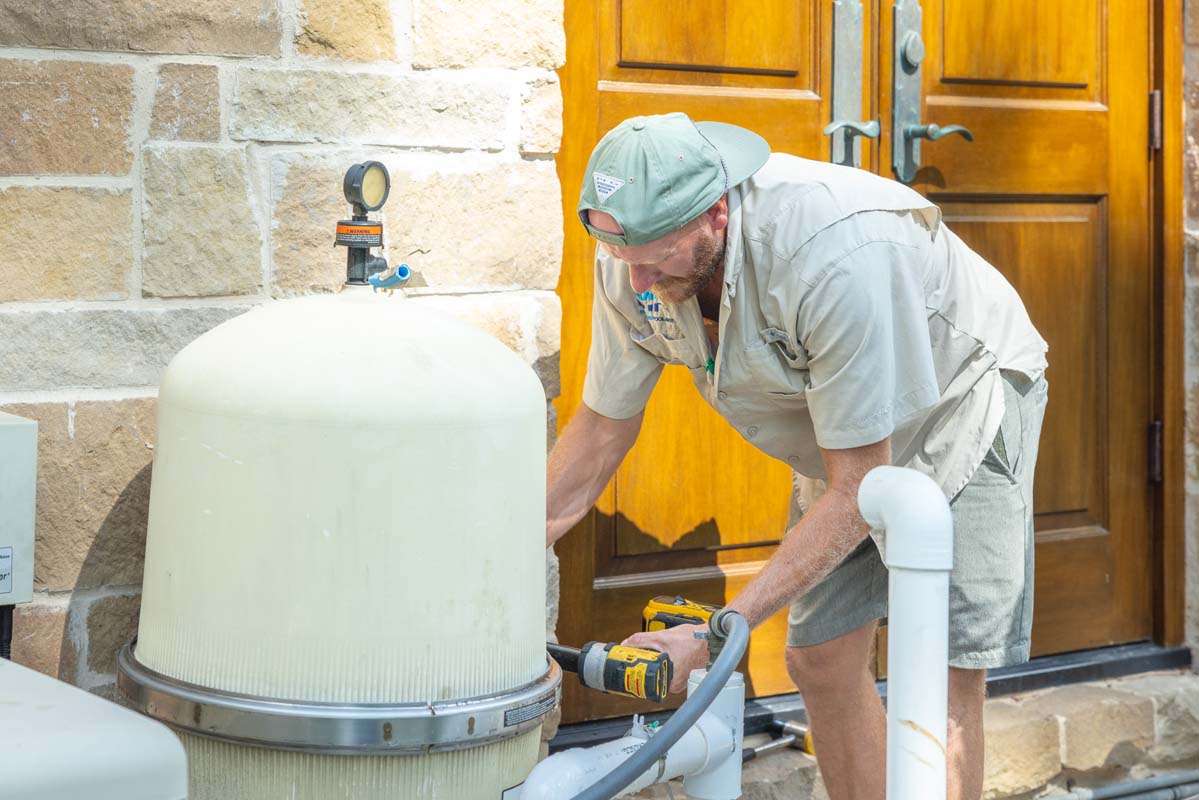
The most important component is the salt chlorine generator and its salt cell. The cell is exposed to the pool water and eventually wears out, meaning it will need to be replaced.
Traditional chlorine systems are generally simpler from an equipment standpoint. That can make repairs and troubleshooting more straightforward.
Why Houston’s Climate Matters
Houston’s climate adds another consideration to the saltwater vs. chlorine pool debate.
Hot temperatures, heavy rainfall, humidity and long swimming seasons can all affect pool chemistry. Manning Pool Service notes that Houston’s heat, humidity and frequent storms can cause pool filters to become dirty faster and that weather can affect pool water chemistry.
Houston heat can increase chlorine demand
Sunlight and high temperatures can contribute to faster chlorine consumption. During Houston’s long summer swimming season, pools may require closer monitoring to maintain appropriate sanitizer levels.
Saltwater systems can help automate chlorine production, but they do not eliminate the effects of Houston weather. A salt cell can only generate chlorine within its operating capabilities, and the system still needs to be properly maintained.
Heavy rain can affect pool chemistry
Houston storms can introduce large amounts of rainwater into a pool in a relatively short period.
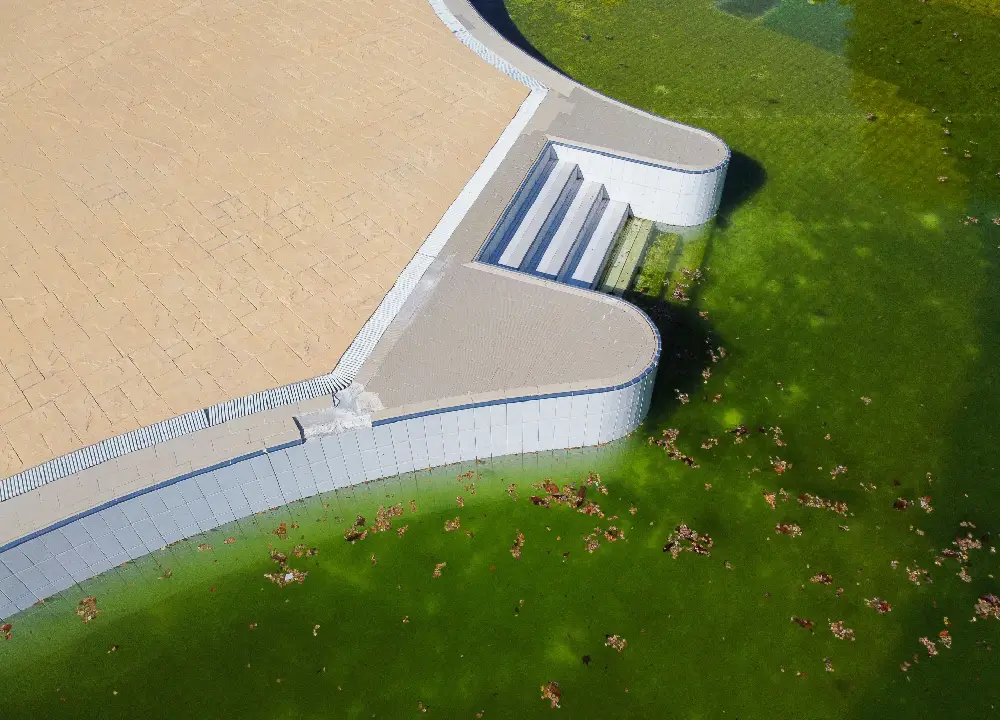
Rain can dilute chemicals and introduce contaminants, while storms can bring leaves, dirt and other debris into the water. After significant rainfall, homeowners may need to test and rebalance their pool.
This is true whether the pool uses a saltwater system or traditional chlorine.
For more information about maintaining your pool throughout the year, see Manning Pool Service’s pool maintenance services and its Houston pool maintenance checklist.
Is a Saltwater Pool Easier to Maintain?
One of the biggest reasons homeowners consider switching to saltwater is the possibility of reducing day-to-day chemical maintenance.
There is some truth to this, but it is important to have realistic expectations.
A saltwater system automates chlorine production. That means you do not have to manually add chlorine every time the sanitizer level needs to be increased. However, you still need to monitor the water and maintain the system.
Saltwater pool maintenance can include:
- Testing pH and sanitizer levels
- Checking salt levels
- Monitoring alkalinity
- Inspecting the salt cell
- Cleaning the salt cell when necessary
- Maintaining proper water levels
- Cleaning the pool and skimmer
- Checking pumps, filters and other equipment
A saltwater pool is therefore better described as lower-maintenance in some respects, rather than maintenance-free.
Does a Saltwater Pool Cost Less to Maintain?
The answer depends on the pool and the equipment.
A saltwater system can reduce the amount of chlorine that needs to be purchased and manually added over time. However, the system itself represents an additional investment, and salt cells eventually require replacement.
Traditional chlorine pools have lower equipment costs but require regular purchases of chlorine and other chemicals.
When comparing the two systems, consider the total cost over several years rather than looking only at the initial installation price.
Costs to consider
For a saltwater system, consider:
- Salt chlorine generator
- Salt cell replacement
- Initial salt
- Electricity used by the system
- Routine water chemistry
- General pool maintenance
For a traditional chlorine system, consider:
- Chlorine
- Stabilizer and other chemicals
- Automated feeder, if applicable
- Routine water chemistry
- General pool maintenance
- Equipment repairs and replacement
The actual costs will vary depending on the size of the pool, water chemistry, equipment and how much maintenance is performed by the homeowner versus a professional service company.
Can You Convert a Chlorine Pool to Saltwater?
In many cases, yes.
A saltwater conversion can be an option for an existing chlorine pool if the pool’s equipment and plumbing are compatible with the desired system.
Manning Pool Service specializes in chlorine-to-saltwater pool conversions in the Houston area. A professional evaluation can help determine what equipment is needed and whether a salt system makes sense for your existing pool.
A conversion may be especially appealing if you are already considering other pool improvements.
Is a Saltwater System Good for an Older Houston Pool?
An older pool does not necessarily need to be replaced simply because it uses traditional chlorine.
However, if your pool is already undergoing renovations, it may be an appropriate time to evaluate the sanitation system as well.
For example, homeowners renovating an older pool might consider upgrading:
- Pool surface
- Tile
- Pumps
- Filters
- Lighting
- Automation
- Water features
- Sanitization equipment
Manning Pool Service provides pool renovation and remodeling services throughout the Greater Houston area, including pool resurfacing, equipment upgrades and other improvements.
Combining multiple improvements into one renovation project may make sense if your existing pool equipment is reaching the end of its useful life.
Saltwater Pool vs. Chlorine Pool for Families
Families often prioritize convenience, water comfort and predictable maintenance.
A saltwater system can reduce the need for frequent manual chlorine additions, which may appeal to busy households. It can also provide a more automated approach to maintaining sanitizer levels.
Traditional chlorine systems can be a good fit for homeowners who prefer a familiar system and want to maintain direct control over chlorine additions.
Regardless of which system you choose, the most important factor is maintaining proper water chemistry.
A saltwater pool with poor chemistry is still a poorly maintained pool. Likewise, a properly maintained chlorine pool can provide an excellent swimming environment.
What About Saltwater and Pool Equipment?
One consideration that should not be overlooked is the effect of saltwater on pool equipment.
Saltwater systems increase the salt concentration of the pool water, and improperly maintained water chemistry can contribute to corrosion or other equipment problems. This makes proper water balance and equipment maintenance particularly important.
The salt cell itself is also a consumable component. Over time, mineral buildup and normal wear can reduce its effectiveness, requiring cleaning or eventual replacement.
For homeowners considering a saltwater conversion, it is worthwhile to have the existing pool equipment evaluated before installation.
Manning Pool Service offers pool equipment repair as part of its broader Houston pool services, including pumps, filters, automation and other pool equipment.
Which Pool System Is Better for Houston Homeowners?
There is no universal answer to the saltwater pool vs. chlorine pool question.
A saltwater system may make sense if you prioritize automated chlorine generation, reduced manual chemical handling and a potentially softer-feeling swimming experience.
A traditional chlorine system may make sense if you want a simpler setup, lower initial equipment costs and direct control over chlorine additions.
Your existing pool equipment, pool size, usage, budget and willingness to perform routine maintenance should all factor into the decision.
For either system, professional maintenance can take much of the work off your hands. Manning Pool Service maintains both saltwater and chlorine pools in the Houston area and can help homeowners keep their water chemistry, cleaning and equipment in order.
Saltwater may be worth considering if you want:
- Automated chlorine generation
- Less frequent manual chlorine handling
- Consistent sanitizer production
- A potentially softer swimming experience
- An equipment upgrade as part of a pool renovation
Traditional chlorine may be worth considering if you want:
- Lower initial equipment costs
- A familiar and straightforward sanitation system
- Direct control over chlorine additions
- No salt cell or salt chlorine generator to maintain
Get the Right Pool System for Your Houston Home
Choosing between a saltwater pool and a traditional chlorine pool ultimately comes down to how you want to manage your pool, what equipment you already have and what fits your long-term budget.
Houston’s heat, humidity, storms and long swimming season make consistent pool maintenance important regardless of the sanitation system you choose. Saltwater technology can automate part of the chlorine-generation process, but it does not eliminate the need for testing, cleaning and equipment care. Traditional chlorine remains a reliable option when the water is properly balanced and maintained.
If you are thinking about converting an existing chlorine pool to saltwater, upgrading your equipment or renovating an older Houston pool, Manning Pool Service can evaluate your current system and discuss the available options. With professional Houston pool maintenance, equipment repair and pool renovation services, you can keep your pool ready to enjoy throughout Houston’s long swimming season.